
It’s easy to say “I’m fine” even when you’re clearly not.
Maybe you’re irritated for no obvious reason. Maybe you’re unusually quiet, overwhelmed by small things, or simply feeling off. Sometimes, the hardest part isn’t dealing with an emotion—it’s figuring out what the emotion actually is.
Understanding your feelings doesn’t mean you have to immediately fix them. It simply means giving yourself enough space to notice what’s happening.
1. Pause and check in with yourself

Before reacting to what you’re feeling, stop for a moment.
Take a few slow breaths and ask yourself: “What am I feeling right now?”
Try to move beyond good or bad. Are you frustrated? Disappointed? Lonely? Anxious? Excited? Embarrassed?
You don’t need to find the perfect word. Even identifying a general feeling is a good starting point.
2. Notice what’s happening in your body

Our emotions can show up physically before we consciously recognize them.
Maybe your shoulders feel tense. Your stomach feels unsettled. Your heart is beating faster. You feel unusually tired or restless.
Take a moment to notice these sensations without judging them. Your body can sometimes give you clues about what your mind hasn’t put into words yet.
3. Ask yourself what triggered it
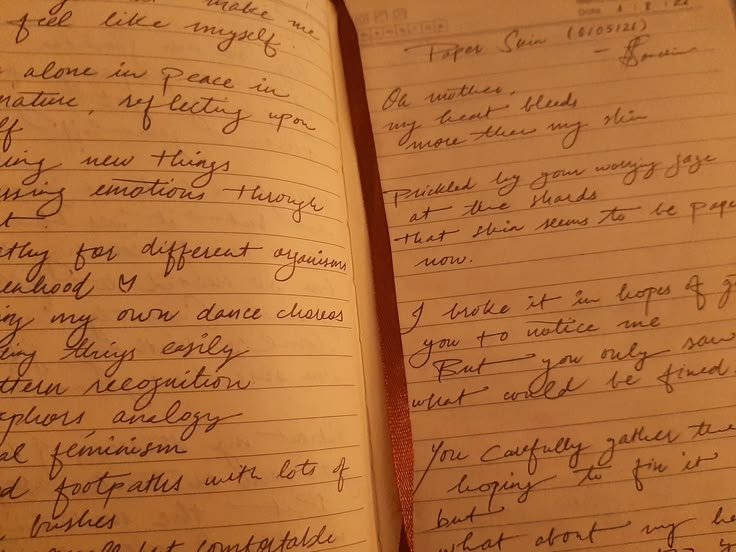
Think back to when you first noticed the emotion.
Did someone say something? Did something happen at school or work? Are you worried about something that hasn’t happened yet? Have you been dealing with several stressful things at once?
Sometimes there isn’t one obvious reason. An emotion can be the result of several small experiences building up over time.
4. Let yourself feel it

Once you’ve identified an emotion, resist the urge to immediately push it away.
You don’t have to be positive all the time. Feeling angry, sad, disappointed, or overwhelmed doesn’t make you weak or dramatic.
Instead of asking, “How do I get rid of this feeling?”, try asking, “What is this feeling trying to tell me?”
An emotion doesn’t always require action, but it can provide useful information about what matters to you.
5. Decide what you need
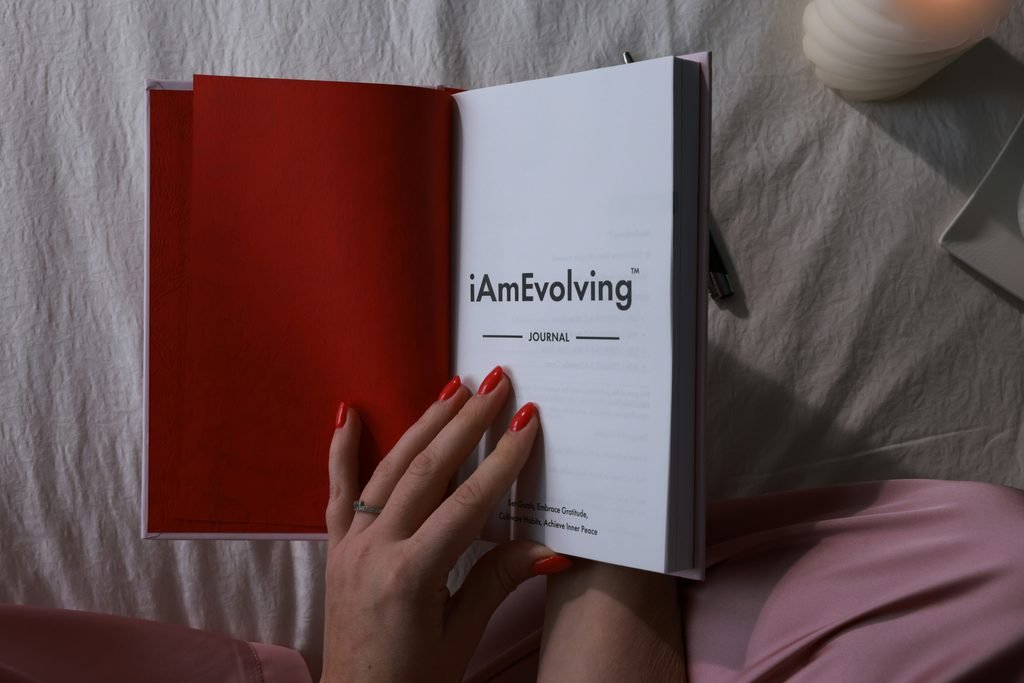
Finally, ask yourself: “What do I need right now?”
Maybe you need rest. Maybe you need to talk to someone. Maybe you need some time alone, reassurance, a change of environment, or help solving a problem.
You don’t always have to act immediately. Sometimes recognizing what you need is enough for the moment.
You don’t have to understand everything at once
Understanding your emotions is a process, not a test you need to pass.
Some feelings will make sense immediately. Others might take time. And sometimes, you may not know why you feel a certain way—and that’s okay.
The important thing is to give yourself permission to notice instead of ignore.
You are allowed to feel complicated things. You are allowed to take your time figuring them out. And you don’t have to have the perfect words to take your feelings seriously.