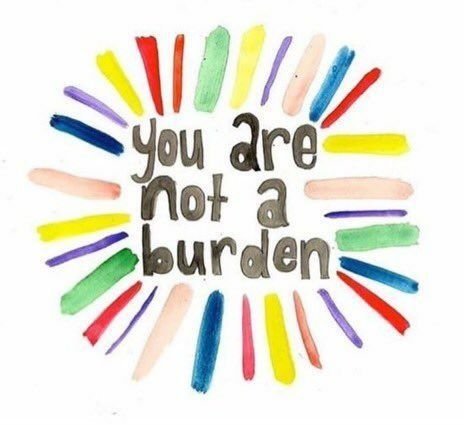
Prioritizing mental health in our daily routines requires recognizing common emotional stressors and actively applying healthy coping mechanisms. Below is a featured illustration highlighting the balance between mental health challenges and actionable wellness habits.
| Mental Health Challenge | Recommended Coping Strategy | Key Wellness Benefit |
| 1. Chronic Work Stress | Practice structured time-boxing | Reduces burnout and mental fatigue |
| 2. Digital Overwhelm | Implement daily screen-free hours | Improves focus and sleep quality |
| 3. Mild Anxiety | Perform 4-7-8 deep breathing | Calms the central nervous system |
| 4. Social Isolation | Schedule weekly coffee dates with friends | Fosters emotional connection and support |
| 5. Physical Exhaustion | Establish a consistent bedtime routine | Restores physical and cognitive energy |
| 6. Negative Self-Talk | Practice daily gratitude journaling | Shifts mindset toward positive self-reflection |
| 7. Emotional Burnout | Set firm personal and work boundaries | Protects mental energy and peace |
| 8. Overthinking | Engage in 15 minutes of outdoor walking | Grounds thoughts in the present moment |
| 9. Creative Block | Step away and practice mindfulness | Clears mental clutter for fresh ideas |
| 10. Seasonal Low Mood | Maximize morning sunlight exposure | Boosts serotonin levels naturally |
Analyzing the Impact of Structured Coping Mechanisms
As shown in the table above, matching targeted strategies to specific emotional hurdles creates a far more resilient lifestyle. Implementing small, intentional habits like deep breathing or gratitude journaling significantly improves overall psychological stability over time.
Recognizing these daily challenges early prevents minor emotional strains from developing into severe mental health crises. By analyzing our personal stressors, we can build a customized toolkit for long-term emotional well-being and that taking proactive steps to care for your mind ensures that resilience becomes a steady habit rather than a last resort.

Integrating Mindfulness into Your Daily Routine
Consistently practicing self-care techniques fosters an environment where young professionals and students can truly flourish. Setting aside just ten minutes each morning for quiet meditation prepares your mind to handle unexpected daily pressures and to also establish these intentional routines empowers you to protect your peace of mind amidst life’s busiest seasons.
Additionally, sharing your mental health journey with trusted peers normalizes vulnerability and encourages mutual support within your community. When we openly discuss emotional wellness, we empower everyone around us to seek help without fear of judgment.
Related Post ( 5 Mindfulness Habits to Quieten a Racing Mind Before Bed )
Cultivating Sustainable Mental Wellness at StillBloom
Achieving long-term peace of mind is an ongoing process that requires patience, self-compassion, and continuous reflection. Celebrating your small victories along the way builds the momentum needed to sustain lasting emotional health that contributes to a happier and more balanced life.
Let this resource guide your daily wellness journey as you build healthy habits and nurture your inner peace. Taking small, consistent actions toward self-care creates a lasting ripple effect that uplifts everyone around you so that we can create a supportive culture where mental well-being is celebrated and prioritized every single day.


2 thoughts on “Understanding Daily Stressors and Coping Strategies”