Ghosting for Peace: Self-Care or Digital Avoidance?
In an era of hyper-connectivity, our digital doors remain open at every hour of the day. Notifications, direct messages, and continuous group chats create a constant expectation of emotional availability.
Cutting off communication without an explanation was universally labeled as immature but now, ghosting has become a choice for individuals to protect their mental well-being from digital overwhelm.
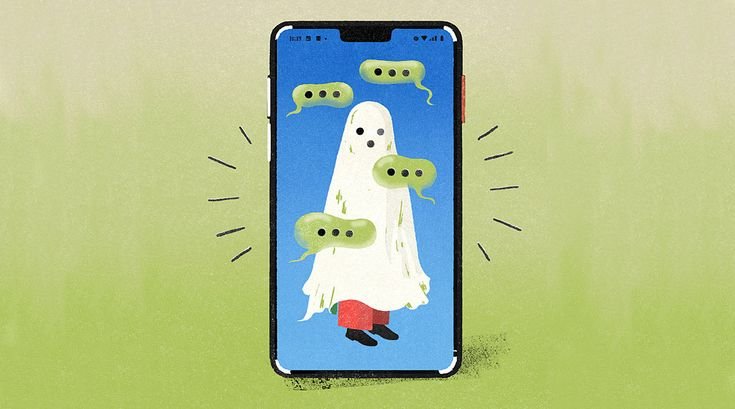
The Toll of Digital Guilt and Constant Availability
The pressure to respond immediately is embedded in modern communication through read receipts and activity statuses. Setting a boundary in complete silence often triggers personal guilt.
For individuals managing anxiety or burnout, explaining a boundary to someone who repeatedly disrespects it can be harmful. In scenarios involving harassment often invites further conflict or gaslighting.
Knowing the Difference: Setting Boundaries vs. Avoidance
While choosing silence can be protective, it is crucial to examine the underlying motivations behind our actions. Disappearing from a healthy relationship because conflict feels inconvenient is a form of avoidance.
Before opting for complete silence, you should evaluate if engaging in a final conversation places your emotional stability at risk. Learning strategies to manage digital burnout can help you before you hit zero.